

Winter Learning Activities to Prevent Learning Loss | Collaborative for Children
×
User Search
Give
Give Newsletter Signup
11/26/2025

Fun Winter Learning Activities to Beat the Winter Melt

Articles Media

Understanding Winter Melt and Why It Matters

When the holiday season arrives, children often experience what educators call ‘winter melt’—a slowdown in learning progress during extended breaks. This learning loss can impact school readiness and developmental milestones, especially for children under five. In Greater Houston, where families juggle busy schedules and limited outdoor play during cooler and wet months, keeping kids engaged is essential for maintaining growth in early literacy, math, and social-emotional skills.

Winter melt can also affect confidence, curiosity, and the ability to transition smoothly back into structured learning environments. The good news? Parents can prevent this by turning everyday moments into fun, educational experiences.
Why Hands-On Winter Activities Work

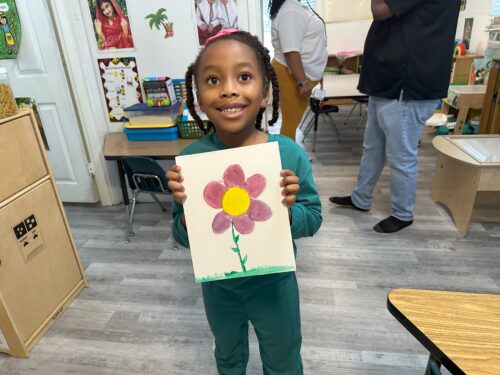
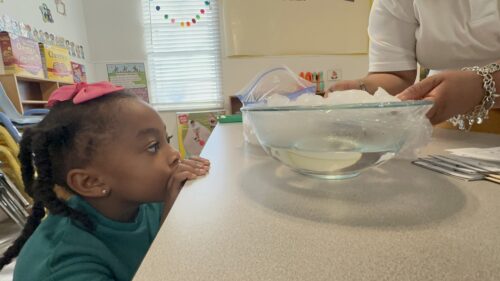
Children learn best through play. Hands-on activities stimulate multiple areas of development, like fine motor skills, language, problem-solving, and creativity, while making learning enjoyable. These experiences also strengthen parent-child bonds and create positive associations with education.

Collaborative for Children champions this approach through our Centers of Excellence which integrate STEAM-based curricula and hands-on family engagement strategies. We encourage parents to replicate these principles at home during winter break.

Five Engaging Winter Activities for Home

Here are simple, low-cost activities from our experts that keep learning alive during the holidays:

1. Muffin-Tin Snowball Counting
Draw a number card and count out cotton balls or marshmallows into a muffin tin. This builds number sense, one-to-one matching, and fine motor skills.

2. Make-Your-Own Fake Snow
Mix baking soda with shaving cream or conditioner to create sensory ‘snow.’ Children practice descriptive language, creativity, and social-emotional regulation through calming play.

3. Marshmallow Snowflakes
Use marshmallows and toothpicks to design snowflakes. This activity introduces geometry, symmetry, and problem-solving while strengthening finger muscles for writing.

4. Marshmallow Counting with Dice
Roll a die and transfer the matching number of marshmallows using tongs. Kids learn counting, number recognition, and comparison skills.

5. Snowball Toss
Toss cotton ball ‘snowballs’ into cups at varying distances. This promotes gross motor coordination, turn-taking, and math skills through counting.

How Collaborative for Children Helps Families Prevent Winter Melt and Beyond

Our mission is to ensure every child in Greater Houston has the right start. Through programs like Collab-Lab Mobile Classroom, parent workshops, and certified training for educators, we provide tools and guidance to keep learning consistent year-round. Families can access resources that align with our STEAM-based approach and support school readiness from birth to age five.

Get the Free IWonder Handbook Here

FAQs

What is winter melt?

Winter melt refers to learning loss that can occur during extended breaks, especially in early childhood.

How can parents prevent winter melt?

Parents can use hands-on, playful activities that reinforce math, language, and motor skills at home.

Where can I find more winter learning resources?

Collaborative for Children offers free guides, workshops, and mobile classroom experiences for families in Greater Houston.

More on Preventing the Winter Melt


Related News