

Emotional Intelligence Is the Key Kindergarten Readiness Skill in 2026
×
User Search
Give
Give Newsletter Signup
1/6/2026

Why Emotional Intelligence Is the Key Kindergarten Readiness Skill in 2026

Articles Media

Social-emotional learning has become the defining skill set for young children entering kindergarten in 2026. Parents, educators and child development leaders across Houston and Greater Houston increasingly view emotional intelligence as the foundation for academic success and healthy relationships. Recent reporting shows that emotional skills like empathy, cooperation and self-control are now considered core requirements for early learning environments.

Source: The New Age Parents on early childhood trends and SEL priorities in 2026
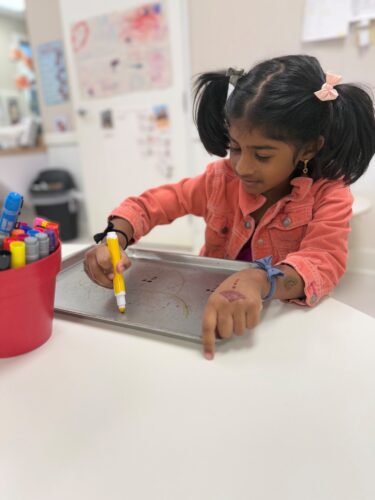
How Emotional Intelligence Shapes Early Learning in 2026

Emotional intelligence is shaping schools, child care centers and family routines at a much deeper level than in previous years. Families want schools to support emotional growth because academic readiness now includes resilience, problem solving and communication skills. Parents and teachers are increasingly choosing learning environments that combine hands-on exploration with emotional skill building. The strongest schools use technology and creative tools to help children express feelings and navigate social interactions. These tools are effective when used to support learning rather than replace it.

In Greater Houston, many early childhood providers are shifting their curriculum toward whole-child development. This shift helps children learn how to manage frustration, collaborate with peers and build confidence through structured and unstructured play. At Collaborative for Children, we reinforce emotional skills through high-quality early childhood education coaching, interactive STEAM lessons and relationship-focused teaching practices in our Centers of Excellence.

How SEL Skills Support Kindergarten Readiness

Kindergarten readiness used to focus on letters, numbers and early literacy. Today, readiness is measured by a child’s ability to understand their emotions, recover from frustration and work cooperatively in groups. Emotional intelligence is a major factor in determining long-term academic success because children who can manage their emotions are better equipped to learn. This trend is growing nationwide as families place more value on social skills that support well-being.

In Houston, many child care centers partner with Collaborative for Children to strengthen staff training in child development and behavior guidance. Through our certified ECE training programs, teachers learn how to incorporate calming routines, cooperative activities and reflective conversations into daily lessons. These strategies help children feel safe, seen and ready to participate in learning.

Why SEL Has Become a Family Priority

Parents in 2026 are intentionally selecting programs that nurture empathy and emotional regulation. Many families report that they want child care environments that help children build confidence and learn how to communicate their feelings. They prioritize schools where teachers model kindness, support problem solving and help children work through conflict calmly. Parents also seek balance with technology, choosing programs that use digital tools to inspire creativity instead of passive screen time.

Collaborative for Children supports families with simple at-home SEL activities that strengthen daily connections. Parents can use short routines like emotion check-ins, gratitude conversations and shared reading time to help children build emotional vocabulary. These strategies align with our mission to ensure every child in Greater Houston receives the high-quality early education needed to succeed.

How Collaborative for Children Strengthens SEL Across Greater Houston

Collaborative for Children is advancing emotional intelligence learning across early childhood programs by:
• Expanding Centers of Excellence that promote child-led exploration, STEAM activities and strong teacher-child relationships.
• Providing certified ECE training that helps educators support emotional development with evidence-based strategies.
• Delivering coaching and curriculum support to align classroom routines with developmental best practices.
• Offering family engagement tools that help parents build SEL skills at home.

A Houston child care director recently shared, “Collaborative for Children helped our teachers understand how to create emotionally safe spaces. Our children communicate better, work together more easily and enter kindergarten with confidence.” This type of transformation shows how high-quality early education changes outcomes for families and communities.

SEL Activities Educators Can Use Right Now

Emotion-based activities

Feelings Charades
Children act out emotions like proud, frustrated or excited while peers guess the feeling. This strengthens emotional vocabulary and helps children recognize cues in others.

Mirror and Match
Children pair up and mirror each other’s facial expressions or body language. This encourages empathy and teaches them how to read nonverbal signals.

Emotion Sorting Cards
Children sort picture cards into “comfortable” and “uncomfortable” feelings, then discuss healthy ways to respond when those feelings show up.

Cooperation and community activities

Team Art Murals
Small groups work together to create a shared piece of art. Teachers highlight turn-taking, idea-sharing and cooperative planning.

Classroom Helper Circles
Each child picks a daily helper job and reflects on how working together keeps the classroom running smoothly.

The Friendship Web
Using yarn, children toss the ball to a classmate while saying something kind, forming a visual web that represents classroom community.

Self-management and calming activities

Breathing Buddies
Children lie on their backs with a small toy on their stomach and watch the toy rise and fall as they breathe. This builds awareness of their body and calms big emotions.

Calm-down Toolkit Stations
A small area in the classroom stocked with soft toys, sensory bottles, picture books and a “feelings thermometer” gives children a safe space to regulate.

Stretch and Reset Breaks
Teachers lead 60 to 90 second guided stretches during transitions to help children reset their body and attention.

Problem-solving activities

Peace Table Conversations
Two children experiencing conflict sit at a small table containing problem-solving prompts like “What happened,” “What do you need,” and “How can we both feel better.” Teachers coach them through respectful language.

What Would You Do Story Cards
Teachers share real-life social dilemmas such as a friend not sharing or someone feeling left out and children brainstorm solutions.

Group Challenge Games
Activities like building the tallest tower or moving a ball across the room using only spoons teach cooperation, resilience and creative thinking.

Empathy and perspective-taking activities

Walk in Their Shoes
Children share stories about times they felt sad or proud. Classmates reflect on how that person may have felt and what could help in similar situations.

Kindness Jars
Children place a pom-pom in a jar whenever they notice a classmate doing something helpful. Teachers celebrate these acts at the end of each week.

Community Role Play
Pretend-play centers where children act out roles like doctor, parent or community helper allow them to understand different perspectives and responsibilities.

At-home SEL Activities Families Can Do Daily

Rose and Thorn Check-in
At dinner, each family member shares one good moment and one challenging moment from the day. Parents reinforce empathy by reflecting the feeling back to the child.

Shared Responsibility Board
Children choose simple household tasks and parents recognize effort with verbal praise, strengthening responsibility and confidence without external rewards.

Emotion Walks
Parent and child take a short walk and talk about one feeling they had that day and how their body felt during that emotion. This builds body awareness and emotional language in a calm setting.

Action Steps for Families and Providers

  • Choose child care programs that prioritize emotional safety and teacher-child relationships.
  • Ask providers how they teach skills like empathy, cooperation and conflict resolution.
  • Incorporate simple home routines like daily emotion naming, storytelling and collaborative chores.
  • Use hands-on activities to help children practice patience, problem solving and teamwork.
Find the Best Child Care Now

FAQs

What is social-emotional learning in early childhood
Social-emotional learning in early childhood is the process through which young children learn to understand their feelings, build relationships and navigate social situations, which supports long-term learning and well-being.

Why is emotional intelligence important for kindergarten readiness
Emotional intelligence is important for kindergarten readiness because children who can manage emotions and work with peers are better able to focus, learn and adapt to the classroom environment.

How can parents build SEL skills at home
Parents can build SEL skills at home by creating daily routines that encourage open communication, empathy and problem solving through simple conversation and play.

Resources for families

Related News