

Sensory-Friendly Halloween Ideas for Neurodivergent Children
×
User Search
Give
Give Newsletter Signup
10/14/2026

Sensory-Friendly Halloween Ideas Help Every Child Join the Fun

Articles Media

Halloween can be exciting for young children. Costumes, candy, glowing pumpkins, and neighborhood walks turn an ordinary night into something special. But for some children, the same sights and sounds that make Halloween fun can also make it feel uncomfortable or overwhelming.

A scratchy costume may be hard to tolerate. A flashing decoration can be distracting or upsetting. Crowded sidewalks, loud music, doorbells, masks, unfamiliar faces, and changes to the normal evening routine may all arrive at once. Children who are autistic, have sensory sensitivities, communicate differently, or simply prefer quieter environments may need another way to participate.

At Collaborative for Children, we believe inclusion does not mean asking every child to celebrate in the same way. It means removing barriers so each child has a meaningful way to join. A successful Halloween might include visiting a few familiar homes, wearing pajamas instead of a costume, collecting treats without speaking, celebrating before dark, or enjoying a quiet activity at home.

There is no single correct way to celebrate Halloween. What matters is that children feel safe, respected, and included.
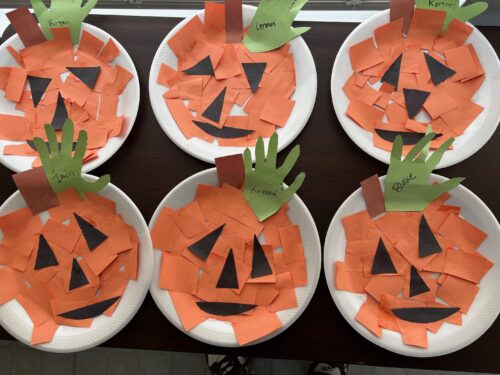
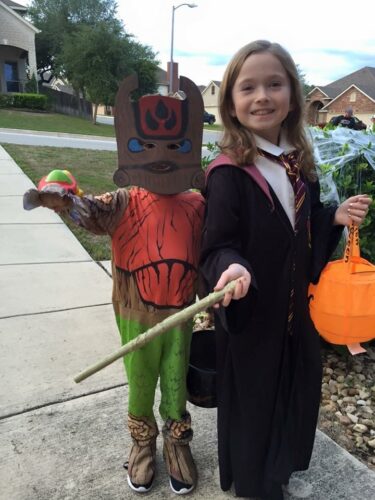
Sensory Differences Can Change How Children Experience Halloween

Sensory processing describes how the brain receives and responds to information from the senses. Children can respond differently to sound, light, touch, movement, smell, taste, and awareness of their bodies in space. Some children actively seek certain sensations, while others may experience discomfort from sensory input that does not seem intense to the people around them.

The American Academy of Pediatrics explains that some autistic children can be highly sensitive to stimuli such as loud music or bright lights, although sensory experiences vary from child to child. Not every neurodivergent child has the same sensitivities, and sensory needs are not limited to children with a diagnosis.

Halloween can combine many types of sensory input in a short period. Animated decorations may move without warning. Doorbells and sound effects can create sudden noise. Costumes may include stiff fabrics, tight elastic, masks, wigs, face paint, seams, or tags. Even a child who enjoys Halloween may reach a point when the experience becomes too much.

Adults do not need to wait for a child to become visibly upset before offering support. Pay attention when a child covers their ears, pulls at a costume, turns away, becomes unusually quiet, tries to leave, or has difficulty following a familiar direction. Those behaviors may communicate discomfort, fatigue, fear, or the need for a break.

Comfortable Costume Choices Keep Children in Control

Halloween costumes should be invitations, not requirements. A child who does not want to dress up is still participating in Halloween. Adults should not withhold a treat, question the child, or pressure them to explain why they are not wearing a costume.

For children who want to dress up, begin with clothing they already enjoy wearing. Character pajamas, a favorite T-shirt, a soft cape, colorful socks, or one simple accessory can become a costume. A child might wear an orange shirt and call themselves a pumpkin, carry a toy stethoscope as a doctor, or add animal ears to familiar clothes. The goal is not a picture-perfect outfit. The goal is a comfortable child.

Try the costume at home well before Halloween. Let the child walk, sit, play, and use the restroom while wearing it. Remove tags, check seams, and avoid anything that restricts movement, vision, or hearing. If the child removes part of the costume after a few minutes, treat that as useful information rather than misbehavior.

Safety matters, too. The American Academy of Pediatrics recommends costumes and shoes that fit correctly, do not create a tripping hazard, and do not block a child’s vision. It also advises families to consider decorative hats or nontoxic makeup instead of masks, while testing makeup on a small area of skin first.

.

Visual Schedules Make Halloween More Predictable

Halloween asks children to navigate an unusual sequence of events. They put on different clothes, leave home at a different time, walk through dark or crowded streets, approach decorated houses, interact with unfamiliar adults, and receive food from them. Adults understand the tradition, but young children may not know what will happen next.

A visual schedule can make that sequence easier to understand. Depending on the child, the schedule might use photographs, simple drawings, written words, or a row of pictures that can be removed as each activity ends. Keep it short and match it to the actual plan.

A simple schedule might show:

  1. Eat dinner
  2. Put on comfortable clothes or a costume
  3. Take a treat bag
  4. Visit three houses
  5. Take a break
  6. Go home
  7. Choose one treat
  8. Begin the bedtime routine

Show the child how the evening will end, not only how it will begin. “First three houses, then home” can feel more manageable than an open-ended night of walking. It also helps to include a break or stop option so the schedule supports the child instead of becoming another demand.

Families can practice the routine at home. Take turns knocking on an inside door, opening it, placing an item in a bag, and walking away. The purpose is not to train a child to perform Halloween perfectly. It is simply to make an unfamiliar experience more predictable.

Quieter Celebrations Give Children More Ways to Participate

Trick-or-treating is only one way to celebrate Halloween. A child who dislikes crowds, doorbells, masks, or nighttime activities may enjoy a quieter experience that still includes imagination, play, and family connection.

Families might organize an indoor treat hunt, decorate pumpkins with stickers, read a Halloween story, make a fall snack, or watch a familiar movie. A small gathering with one or two trusted families may be more comfortable than a large party. Children can also participate by handing out treats, sorting candy, decorating treat bags, or helping create a simple STEAM activity such as building a block tower for a toy ghost.

These alternatives are not lesser versions of Halloween. They are valid celebrations that give children the chance to participate in ways that match their interests and needs. In our Centers of Excellence, educators use play-based, hands-on learning because young children communicate and engage in many different ways. Flexible holiday activities follow the same principle.

Adults should also expect preferences to change. A child who enjoyed a neighborhood event last year may want to stay home this year. Another child may feel ready to visit more houses after beginning with just one. Inclusion means noticing what the child is communicating and adjusting the plan without shame.

Halloween Safety Helps Families Protect Young Children

Earlier Trick-or-Treating Can Reduce Noise and Stress

Trick-or-treating before dark can make Halloween more comfortable for many young children. Sidewalks may be less crowded, decorations may feel less frightening in daylight, and families can better see potential tripping hazards. An earlier celebration may also protect a child’s normal dinner and bedtime routine.

The American Academy of Pediatrics advises families to look for daytime community activities when local trick-or-treating begins after dark. Earlier events can help families maintain a child’s regular bedtime, and adults should always accompany young children while trick-or-treating.

For families in Houston, a short route close to home may work better than a long neighborhood trip. Choose familiar houses, avoid homes with flashing lights or loud decorations, and plan a quick path back to the car or house. If possible, visit neighbors you know and tell them ahead of time what would help your child.

Families should also bring useful supports. Depending on the child, that might include headphones, a comfort item, water, a flashlight, a stroller or wagon, familiar snacks, or a communication card. These tools do not prevent a child from participating. They support participation.

4 Simple Ways to Raise an Emotionally Intelligent Child

Adults Can Welcome Children Without Requiring a Performance

Inclusive Halloween depends on the people answering the door as much as the families approaching it. A child may not say “trick or treat.” They may not make eye contact, hold out a bag, wear a costume, or walk all the way to the porch. They may use a communication device, gesture, stand behind a caregiver, or need an adult to collect the treat for them.

The most helpful response is simple: welcome the child without demanding an explanation.

Offer the treat and say something friendly such as, “Happy Halloween,” “I’m glad you stopped by,” or “You can choose one if you would like.” Avoid comments like, “What are you supposed to be?” or “You have to say trick or treat first.” A child’s communication, clothing, or comfort level should not determine whether they are included.

Adults should also resist interpreting a child’s behavior as rude. Looking away, staying silent, avoiding the porch, or leaving quickly may be the child’s way of managing a demanding environment. A little flexibility can turn a stressful interaction into a welcoming one.

Parents Can Create an Exit Plan Before Leaving Home

A sensory-friendly plan should include permission to stop. Children should not have to complete a route, finish a party, or tolerate growing discomfort because adults put time into planning the event. Leaving early is not a failure.

Before the activity, agree on a signal the child can use when they need help. That might be a word, gesture, picture card, or tap on a caregiver’s hand. Tell the child where they can take a break and how they can get home. If the child does not use spoken language, make sure every adult in the group understands how that child communicates “no,” “stop,” “help,” and “finished.”

When signs of overload appear, reduce demands. Move to a quieter place, lower your voice, offer a familiar item, and allow time to recover. Asking many questions in that moment may add pressure. The child may need calm company more than conversation.

Afterward, avoid measuring success by the number of houses visited or how long the child wore a costume. Ask what they enjoyed and what they would change next time. A child who visited one familiar neighbor and went home feeling safe had a successful Halloween.

Educators Can Build Inclusive Halloween Activities Through Play

High-quality early childhood education helps children learn that people experience the world differently. Educators can explain that some friends like loud celebrations and others prefer quiet spaces. Some enjoy costumes, while others choose regular clothes. These differences do not need to be fixed.

In an early learning setting, teachers can offer several ways to join a Halloween activity. One child may paint a pumpkin, another may build a haunted house from blocks, and another may look at a book in a quiet corner. A child should not have to touch messy materials, wear a costume, or join a loud group activity to be counted as participating.

Visual schedules, calm spaces, predictable transitions, and hands-on choices are part of neurodiversity-affirming education. Our article on neurodiversity-affirming early childhood education explains how flexible seating, quiet spaces, visual supports, and play-based materials can reduce barriers for children with different developmental profiles.

This is what distinguishes a high-quality early learning environment from simple drop-in supervision. Educators in our Centers of Excellence receive support in child development, social-emotional learning, and developmentally appropriate curriculum. They use play and STEAM experiences to create multiple paths into learning because inclusion is strongest when it is built into the environment from the beginning.

Sensory-Friendly Celebrations Benefit Every Child

Sensory-friendly planning is often discussed in connection with autism or other forms of neurodivergence. However, the same practices can support many young children. Toddlers may be frightened by masks. Preschoolers may become tired in a crowded environment. A child who usually enjoys noise may have a difficult day and need a quieter option.

Predictable schedules, comfortable clothing, clear choices, earlier activities, shorter routes, and respectful adults can make Halloween easier for everyone. These supports allow children to spend less energy managing the environment and more energy enjoying the experience.

At Collaborative for Children, we see inclusion as a practical commitment. It appears in the costume a child is allowed to remove, the visual schedule that explains what comes next, the quiet corner available without punishment, and the adult who offers a treat without requiring speech or eye contact.

Halloween does not need to look the same for every child to feel special. When adults replace rigid expectations with flexibility, more children can join the fun in a way that feels right for them.

Frequently Asked Questions

What makes Halloween sensory-friendly?

A sensory-friendly Halloween reduces avoidable noise, bright or flashing lights, uncomfortable clothing, crowds, uncertainty, and social pressure. It also gives children choices, breaks, visual information, and permission to stop when they have had enough.

What can my child wear if a traditional costume feels uncomfortable?

Your child can wear familiar clothes, character pajamas, a soft T-shirt, a cape, a hat, one simple accessory, or no costume at all. Comfort, movement, visibility, and safety matter more than creating a complete costume.

Should a child receive a treat if they do not say “trick or treat”?

Yes, a child should be welcomed even if they do not speak, make eye contact, approach the door, or wear a costume. Children communicate in different ways, and Halloween participation should not depend on completing a social performance.

Related News