

After Baby Arrives: Newborn Care and Early Development in Houston
×
User Search
Give
Give Newsletter Signup
5/27/2026

Life After Baby Arrives

Articles Media

Bringing a baby home is one of the biggest transitions a family can experience. It is joyful, exhausting, and often overwhelming all at once. If you feel like you are figuring things out as you go, you are not alone. Many parents describe the first few weeks as a blur of feedings, sleep schedules, and questions.

At Collaborative for Children, we see this stage as more than just survival mode. The way families are supported during this time has a direct impact on children’s health, early learning, and future success.

In Greater Houston, our role is to help families and child care providers move from uncertainty to confidence with reliable guidance, quality early education, and strong community connections.
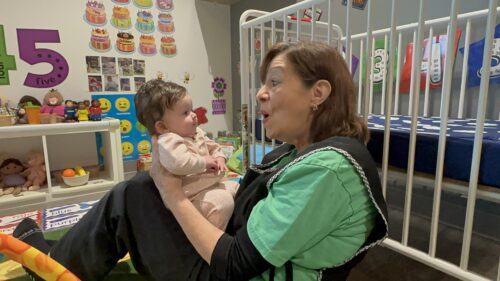
The First Weeks After Baby Arrives Shape Long-Term Development

The first weeks after baby arrives are often called the “fourth trimester,” and for good reason. This period is a critical window for both family adjustment and early brain development. Health experts emphasize that these early days set the stage for long-term physical, emotional, and cognitive health.

A baby’s brain is developing at an extraordinary pace. In fact, more than one million neural connections can form every second in early life, building the foundation for learning and behavior. These connections grow stronger through everyday interactions like holding, talking, and responding to your baby’s needs.

That means the simple things parents do at home matter more than most people realize. Talking to your baby, making eye contact, and responding when they cry helps build trust and supports healthy brain development.

This is also where early childhood education begins. Learning does not start in preschool. It starts in your living room.

Helpful Parents Build Strong Foundations for Early Learning Success

Transition to Parenthood Brings Real Challenges

While this time is meaningful, it is also demanding. Parents are recovering physically, adjusting emotionally, and learning how to care for a newborn all at the same time.

Research shows that about 1 in 8 women in the United States experience symptoms of postpartum depression. Many more experience sleep deprivation, stress, or anxiety. These challenges can make it harder to feel confident or present in those early bonding moments.

Parents often leave the hospital with limited follow-up care, even though the weeks after birth are just as important for long-term health. Medical experts now stress that postpartum care should be ongoing, not just a single visit.

In Houston, we hear this from families all the time. The question is not just “How do I care for my baby?” It is also “Am I doing this right?”

The answer is that support makes all the difference.

That is why programs like our Parents as Teachers model are so valuable. Through one-on-one support and practical guidance, families in Greater Houston can build confidence, understand their child’s development, and turn everyday moments into meaningful learning experiences.

Everyday Parenting Practices Build Strong Foundations

The good news is that you do not need complicated tools or programs to support your baby’s development. What matters most are consistent, nurturing interactions.

Here are a few research-backed ways parents can support development at home:

Talk, Read, and Respond Early and Often

When you talk or read to your baby, you are building language skills before they ever say a word. Even simple conversations help develop communication pathways in the brain.

Build Routines Around Care and Comfort

Feeding, sleeping, and play routines help babies feel secure. Consistency reduces stress for both the baby and the parent.

Prioritize Safe, Nurturing Environments

Children learn best in environments that are safe, stable, and engaging. These early experiences shape how the brain develops over time.

Take Care of Yourself as a Parent

Rest, nutrition, and emotional support are not optional. They are essential. When parents are supported, children benefit.

For families who want more support, Collaborative for Children connects parents to programs like Parents as Teachers, which provide coaching and personalized strategies to strengthen learning at home from the very beginning.

Quality Early Education Extends Learning Beyond the Home

While parents are a child’s first teachers, many families in Greater Houston also rely on child care. This is where the quality of that environment becomes critical.

Not all child care settings are the same. There is a big difference between supervision and early education.

At Collaborative for Children, our Centers of Excellence represent the highest standard in early learning. These centers go beyond basic care by providing:

  • Developmentally appropriate curriculum rooted in play-based learning
  • STEAM-focused activities that encourage curiosity and problem-solving
  • Trained educators with expertise in early childhood development
  • Safe, structured environments that support social and emotional growth

This approach aligns with national research and guidance from organizations like the American Academy of Pediatrics, which emphasizes that early experiences and caregiver interactions shape development during infancy.

When families choose high-quality early education, they are not just solving a child care need. They are investing in their child’s future learning and success.

How Parents Can Boost Cognitive Learning in Early Childhood

A Houston Family Story Shows What Support Can Do

One Houston parent shared this with us after enrolling their infant in a Center of Excellence:

“I was nervous going back to work after my son was born. I wanted more than just a place for him to stay during the day. The teachers talked to him, played with him, and even showed me things I could do at home. It felt like a partnership, not just child care.”

This is what we aim for. Families should feel supported, not alone.

Collaborative for Children Supports Families from Day One

At Collaborative for Children, we connect families across Houston to trusted resources that make early parenting easier and more effective.

Our work includes:

We believe that strong starts lead to strong futures. That begins the moment a baby arrives home.

Frequently Asked Questions

What should parents focus on most after a baby arrives?

Focus on bonding, basic care, and responsive interaction. Talking, holding, and responding to your baby builds emotional security and supports brain development.

How soon does early learning begin for infants?

Early learning begins at birth. Babies start developing language, social skills, and cognitive abilities through everyday interactions with caregivers.

What makes a high-quality child care program different?

High-quality programs use structured curriculum, trained educators, and intentional learning experiences. Centers of Excellence provide these standards, while basic daycare may only offer supervision.

Related News