

Five Basic Needs Every Young Child Must Have for School Success | Collaborative for Children
×
User Search
Give
Give Newsletter Signup
7/8/2026

Five Basic Needs Every Young Child Must Have to Succeed in School

Articles Media

Parents often ask what children really need to be successful in school. Is it knowing letters and numbers before kindergarten? Is it learning to read early? Is it having the latest educational toys?

The answer is both simpler and more important.

Research from the U.S. Department of Education and Head Start shows that school readiness depends on a child’s physical, cognitive, social, and emotional development. Children thrive when they feel safe, healthy, connected, supported, and motivated to learn. Those foundations begin long before a child enters a kindergarten classroom.

At Collaborative for Children, we work with families, educators, and child care providers across Greater Houston every day. Whether a child is learning at home, attending a child care center, or enrolled in one of our Centers of Excellence, the same truth applies: children learn best when their core developmental needs are met.
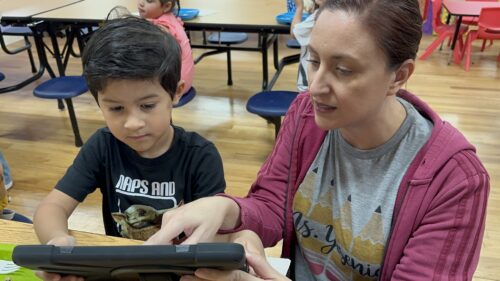
School Readiness Begins When Children Feel Safe, Healthy, and Supported

Many parents think school readiness starts with academics. In reality, readiness begins with relationships, health, and daily experiences.

The federal Head Start framework, one of the most widely respected early childhood education models in the United States, defines school readiness as more than academic skills. It includes physical development, social-emotional growth, language development, cognitive skills, and positive approaches to learning.

When young children have consistent routines, caring adults, opportunities to explore, and safe learning environments, they develop the confidence needed to engage with the world around them. Those experiences build the foundation for reading, problem-solving, communication, and self-regulation later in school.

For families in Houston, this means that daily interactions such as reading together, talking during meals, playing games, and exploring the community can be just as important as formal instruction.

Children Build Confidence When Adults Give Them Healthy Control

One of the most overlooked needs in child development is the need for appropriate independence.

Young children are naturally curious. They want to make choices, solve problems, and test their abilities. Giving children age-appropriate choices helps develop decision-making skills and confidence.

A simple example might be allowing a preschooler to choose between two books at bedtime or decide which healthy snack to eat. These small decisions help children learn responsibility while still receiving guidance from trusted adults.

In high-quality early childhood education settings, educators intentionally create opportunities for children to make choices, explore interests, and participate in hands-on learning experiences. This is one reason why play-based learning remains a cornerstone of effective early childhood education.

At Collaborative for Children’s Centers of Excellence, children are encouraged to investigate, create, and learn through purposeful play. Activities that involve building, experimenting, creating art, and exploring STEAM concepts help children develop both confidence and critical thinking skills.

Children Need Strong Relationships to Feel Connected to Learning

A child’s success is heavily influenced by relationships.

Students who feel that adults and peers care about them and their learning are more likely to achieve higher grades, attend school regularly, and experience positive developmental outcomes.

This concept begins long before elementary school.

Young children need caring adults who listen, respond, encourage, and support them. They need teachers who know their names, understand their personalities, and celebrate their growth. They need parents and caregivers who spend meaningful time talking, reading, and playing with them.

When children feel emotionally secure, they are more willing to take risks, ask questions, and engage in learning. Emotional safety creates the confidence necessary for academic growth.

As we often tell families at Collaborative for Children: before children can focus on learning, they need to know they belong.

Children Develop Purpose Through Exploration and Discovery

Young children may not have career goals yet, but they do need a sense of purpose.

Purpose starts with curiosity.

When children are encouraged to ask questions, investigate how things work, and pursue interests, they develop a love of learning that can last a lifetime. Research supported by Head Start’s Early Learning Outcomes Framework highlights the importance of fostering curiosity, problem-solving, and engagement during the earliest years.

This is where STEAM education becomes particularly powerful.

Activities involving science, technology, engineering, art, and mathematics invite children to experiment, discover, and think creatively. Whether children are building structures with blocks, observing insects outdoors, mixing colors, or testing floating and sinking objects, they are developing critical cognitive skills.

The goal is not simply to prepare future scientists or engineers. The goal is to help children develop persistence, creativity, collaboration, and a lifelong desire to learn.

Children Learn Better When Their Physical Needs Are Met

Healthy children are better learners.

Sleep, nutrition, physical activity, and preventive healthcare all contribute to a child’s ability to focus, regulate emotions, and participate in learning experiences.

School readiness experts consistently emphasize that physical well-being is one of the essential building blocks of educational success. Children who are rested, nourished, and physically active are better equipped to learn and engage with others.

For parents, supporting physical development can include:

  • Maintaining consistent sleep routines
  • Providing nutritious meals and snacks
  • Encouraging outdoor play
  • Limiting excessive screen time
  • Attending regular wellness visits

These everyday choices support both immediate learning and long-term development.

Quality Early Childhood Education Makes a Difference

Not all child care settings provide the same educational experience.

Families often assume that all child care programs deliver similar outcomes, but research consistently shows that quality matters. Programs that emphasize trained educators, evidence-based curriculum, family engagement, and developmentally appropriate learning experiences better support children’s growth and school readiness.

That distinction is one reason Collaborative for Children invests heavily in professional development, coaching, curriculum support, and quality improvement efforts across Greater Houston.

Our Centers of Excellence designation recognizes child care programs that have demonstrated a commitment to higher standards of quality. These programs focus on developmentally appropriate practices, strong teacher-child interactions, and meaningful learning experiences that prepare children for future success.

For families seeking child care, the goal should never be simply finding a place where children are supervised. The goal is finding an environment where children are actively learning, growing, and developing the skills needed for lifelong success.

Collaborative for Children Helps Build Strong Foundations for Success

The five basic needs of successful learners are not complicated. Children need health, connection, confidence, purpose, and caring relationships.

Meeting those needs requires more than classroom instruction. It requires strong families, skilled educators, quality child care programs, and communities that prioritize early childhood development.

At Collaborative for Children, we are proud to support that work throughout Greater Houston. Through educator training, quality improvement initiatives, family resources, and our Centers of Excellence network, we help create learning environments where children can reach their full potential.

School success does not start in third grade or even kindergarten.

It starts in the earliest years of life.

Frequently Asked Questions

What are the most important factors in school readiness?

School readiness includes physical health, social-emotional development, language skills, cognitive development, and positive approaches to learning. These factors work together to help children succeed when they enter school.

How can parents support early childhood education at home?

Parents can support learning by reading daily, having conversations with their children, establishing routines, encouraging play, and providing opportunities for exploration and problem-solving.

Why is quality child care important?

Quality child care programs provide trained educators, age-appropriate curriculum, strong relationships, and structured learning experiences that help children build the skills needed for long-term academic and social success.

Related News