

3 Parenting Habits That Hurt a Child's Confidence and What to Do Instead
×
User Search
Give
Give Newsletter Signup
8/20/2026

3 Common Parenting Habits That Can Quietly Hurt a Child’s Confidence and What to Do Instead

Articles Media

A confident child is not a child who never struggles. A confident child is one who believes they can try, learn, recover from mistakes, and keep moving forward.

In early childhood, confidence becomes a building block for school readiness, social-emotional development, and lifelong learning. Research consistently shows that children’s earliest relationships and everyday experiences shape how they see themselves and their ability to take on new challenges. The way adults respond to mistakes, encourages independence, and recognize strengths can either strengthen or weaken that foundation. According to the Harvard Center on the Developing Child, responsive and supportive interactions with caring adults help build the brain architecture that supports future learning, behavior, and well-being.

At Collaborative for Children, we see the impact of confidence-building every day across our Centers of Excellence throughout Greater Houston. Children who are encouraged to explore, create, problem-solve, and communicate develop important skills that prepare them for success in kindergarten and beyond.

The good news is that most confidence-breaking habits do not come from bad intentions. They often come from love. Parents want to protect their children, help them improve, and save them from disappointment. Small adjustments, however, can make a powerful difference.
Being Too Harsh About Mistakes Can Create Fear Instead of Growth

Every child will make mistakes. They will spill milk, struggle with puzzles, forget instructions, and sometimes get things wrong. These moments are not roadblocks to learning. They are learning.

When children consistently receive harsh criticism after making mistakes, they may begin to see mistakes as something to fear rather than opportunities to learn. Instead of taking healthy risks, they may avoid challenges altogether. Over time, that fear can reduce confidence and willingness to try new things.

The Centers for Disease Control and Prevention (CDC) emphasizes the importance of positive parenting practices that encourage learning and development while guiding behavior constructively rather than relying primarily on punishment. The CDC specifically encourages adults to respond to desired behaviors and show children what to do instead of focusing solely on mistakes

Think about a child who is learning to build with blocks. If a tower falls and the adult responds with frustration, the child may walk away. If the adult responds with, “That was tricky. Let’s see what we can try differently,” the child learns resilience.

What Parents Can Do Instead

  • Respond calmly when mistakes happen
  • Focus on effort and persistence
  • Ask questions that promote problem-solving
  • Celebrate progress, not perfection
  • Share examples of your own mistakes and what you learned

This approach teaches children that mistakes are part of growth, not proof of failure.

Doing Everything for Children Can Limit Independence

Parents naturally want to help. Sometimes helping feels like the fastest path. However, when adults routinely step in to complete tasks children can reasonably attempt themselves, children lose valuable opportunities to build competence.

Confidence grows through experience. Children develop self-belief when they successfully complete tasks, solve problems, and make decisions appropriate for their age.

The CDC notes that encouraging growing independence supports healthy development and helps children build important life skills. For example, toddlers benefit when adults allow them to help dress themselves, feed themselves, and explore new experiences safely.

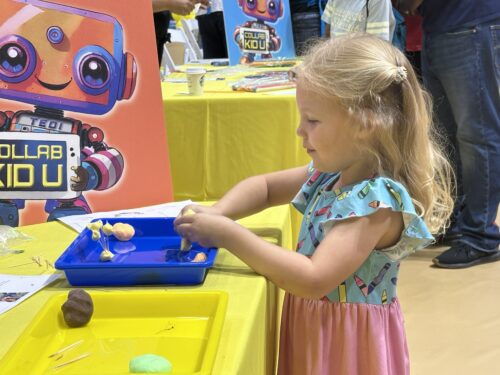
In early childhood classrooms, independence is intentionally developed through hands-on learning. At Collaborative for Children’s Centers of Excellence, children engage in STEAM activities, collaborative projects, and exploration-based learning experiences that encourage them to think, create, test ideas, and solve problems independently.

Unlike drop-in daycare environments that primarily focus on supervision, quality early learning programs intentionally create opportunities for children to build independence and confidence through meaningful educational experiences.

What Parents Can Do Instead

  • Let children attempt age-appropriate tasks before helping
  • Give simple responsibilities at home
  • Encourage problem-solving before offering solutions
  • Allow safe struggles and productive frustration
  • Praise initiative, persistence, and effort

Children gain confidence when they hear, “I know you can try,” rather than always hearing, “Let me do it for you.”

Focusing More on Weaknesses Than Strengths Can Change How Children See Themselves

Every child has areas where they need support. Every child also has strengths worth celebrating.

When conversations consistently focus on what a child cannot do, children may begin to define themselves by those limitations. They can lose sight of talents, interests, and abilities that make them unique.

Strong confidence develops when children understand both realities. They have challenges to work on, and they have strengths that deserve recognition.

Research from the Harvard Center on the Developing Child highlights the importance of responsive relationships where children feel heard, supported, and understood. Positive, back-and-forth interactions help strengthen both emotional well-being and social development.

A child who struggles with writing may be an exceptional storyteller. Another child who needs support with social skills may be highly creative during STEAM activities. When adults intentionally identify and celebrate strengths, children develop a more balanced and positive self-image.

What Parents Can Do Instead

  • Notice strengths every day
  • Offer specific praise
  • Encourage interests and hobbies
  • Help children use strengths to overcome challenges
  • Balance corrective feedback with positive observations

Children who know their strengths are better equipped to tackle areas where they need growth.

Supportive Relationships Build Stronger Children

One of the most powerful ways adults build confidence is through listening.

When children feel heard without immediate correction, judgment, or interruption, they learn their thoughts matter. Responsive interactions create emotional safety and strengthen social-emotional development.

The Harvard Center on the Developing Child describes these interactions as “serve and return” experiences. When a child reaches out through words, actions, or emotions and a trusted adult responds thoughtfully, important neural connections are strengthened. These interactions support language development, emotional regulation, and healthy relationships.

Helping Children Express Emotions in Healthy Ways Starts Early

Simple moments matter:

  • Listening to a child’s story
  • Acknowledging feelings
  • Encouraging questions
  • Celebrating effort
  • Providing reassurance during challenges

These everyday interactions help children build resilience and confidence that lasts.


How Quality Early Childhood Education Strengthens Confidence

Confidence development is not limited to the home. High-quality early childhood education plays a critical role as well.

Collaborative for Children’s Centers of Excellence support children through research-based early learning practices that combine social-emotional development, STEAM exploration, literacy, language development, and kindergarten readiness. Unlike traditional daycare models, Centers of Excellence focus on preparing children to become curious learners, creative thinkers, and confident problem-solvers.

The impact is measurable. Across Collaborative for Children’s Centers of Excellence:

  • 89% of teachers improved their command of early education competencies.
  • 95% of children continue to demonstrate positive gains in at least one school-readiness skill.
  • 85% of children perform in the top tiers of social-emotional school readiness assessments.
  • Children ages 4 to 5 who are preparing for kindergarten have demonstrated significant gains across essential kindergarten-readiness skills.

These results reflect a simple truth. Confidence grows when children are surrounded by skilled educators, supportive families, and learning environments designed to help them succeed.


Struggle Builds Confidence in Early Childhood Learning

Confidence Begins With Small Daily Moments

Parents do not need to be perfect to raise confident children.

The goal is not to eliminate mistakes, challenges, or frustration. The goal is to create an environment where children know they are capable, valued, and supported.

When adults respond with patience instead of harsh criticism, encourage independence instead of over-helping, and recognize strengths alongside weaknesses, children develop the confidence they need to thrive in school, relationships, and life.

At Collaborative for Children, we believe every child deserves the opportunity to build that foundation. Through high-quality early childhood education, certified educator training, family engagement, and our Centers of Excellence, we are helping families across Houston and Greater Houston champion young futures every day.

Frequently Asked Questions

How can parents build confidence in young children?

Parents can build confidence by encouraging effort, allowing age-appropriate independence, listening without judgment, and recognizing strengths regularly. Children develop self-confidence when they experience success, overcome challenges, and feel supported by trusted adults.

Does making mistakes help children learn?

Yes. Mistakes are a critical part of learning and development. Children develop problem-solving skills, resilience, and persistence when they are encouraged to learn from mistakes rather than fear them.

How does early childhood education support confidence?

High-quality early childhood education helps children build confidence through hands-on learning, positive relationships, social-emotional skill development, problem-solving opportunities, and age-appropriate independence. Programs like Collaborative for Children’s Centers of Excellence intentionally support these areas as part of school readiness.

Related News